Shoulder impingement has a way of creeping up on busy people. One week you reach into the back seat without a second thought, the next you wince hanging a shirt in the wardrobe. It is common, it is frustrating, and with the right plan it is entirely manageable. In clinic I see it in swimmers clocking evening laps at Purley Leisure Centre, in new parents pacing around Shirley with a baby carrier, and in office workers commuting through East Croydon who spend long days at a laptop. The story varies, but a few consistent patterns explain why the tissues around the shoulder pinch and protest, and why a gentle, well-paced approach restores confidence and function.
What “shoulder impingement” usually means
Most people who say impingement are describing subacromial pain syndrome. That phrase points to the space beneath the acromion at the top of your shoulder, where the supraspinatus tendon, long head of biceps tendon, subacromial bursa, and part of the rotator cuff slide as you lift your arm. When that subacromial space narrows faster than tissues can adapt, symptoms show up: a painful arc between roughly 60 and 120 degrees of elevation, weakness when reaching overhead, and a sharp jab if you lie on that side at night.
The shoulder is more of a moving team than a single joint. The glenohumeral ball and socket must sync with the scapula gliding on your ribcage, the thoracic spine needs to extend and rotate, and the ribcage has to expand enough to make room. If one player gets stiff or tired, the others overwork. In practice that might look like the scapula tilting forward and drifting into downward rotation because the serratus anterior and lower trapezius are asleep at the wheel, or a supraspinatus tendon working overtime because the posterior capsule is tight and the humeral head rides a little high.
What often tips the balance is a jump in load rather than a single bad movement. A homeowner spends the weekend painting ceilings in Addiscombe. A tennis fan adds a third weekly session at South Croydon’s courts without any strength work. A manager swaps a 24-inch monitor for a slim laptop and hunches on the sofa. The tissues were fine yesterday, until they were suddenly asked to be fine at three times the demand.
An osteopath’s perspective: structure, function, and pace
Osteopathy sits at a helpful intersection for these cases. We look closely at structure and mechanics, but we also respect the biology of tendon and bursa recovery, the role of the nervous system in pain, and the rhythms of daily life that make or break a rehab plan. People seek a Croydon osteopath for hands-on relief, but sustainable change comes from a blend: manual therapy to calm irritable structures, gentle graded loading to strengthen the cuff and scapular stabilisers, and small behaviour shifts that reduce unnecessary strain without wrapping the shoulder in cotton wool.
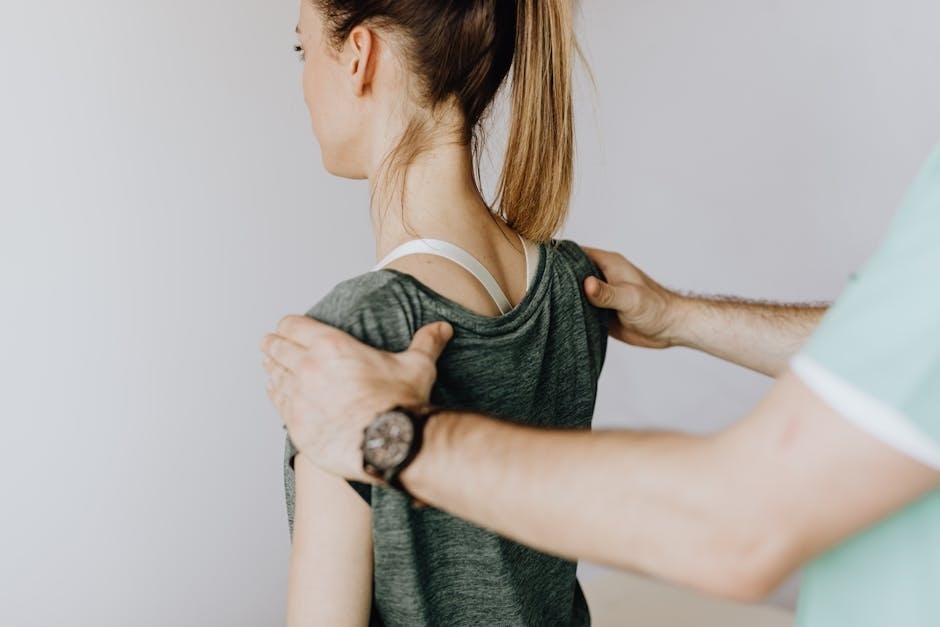
The goal is not to “put the shoulder back in place.” Shoulders are not popping out and back with every reach, and most cases do not involve structural damage that needs fixing. The aim is to restore space, control, and capacity. Space comes from thoracic mobility, scapular mechanics, and reducing inflammation. Control comes from reactivating muscles that guide the humeral head and scapula. Capacity comes from progressive load that teaches those tissues to do more with less fuss.
How assessment works in a Croydon osteopath clinic
Expect your first session to feel like a long, curious conversation followed by a targeted physical exam. At our osteopath clinic in Croydon we typically book 45 to 60 minutes for an initial visit. We map the story: when the pain started, what movements flare it, which activities you are trying to get back to, what work and family life demand this month, not in an ideal world six months from now. A builder from Thornton Heath needs a different early plan than a graphic designer near Wellesley Road.
On the table we check active and passive ranges, a painful arc, resisted abduction and external rotation, scapular upward rotation and posterior tilt, thoracic extension, and rib mobility. We might use Hawkins-Kennedy or Neer’s sign as part of a broader picture, not as pass or fail tests that label you for life. Palpation of the bicipital groove, the posterolateral cuff, and the subacromial area helps us understand irritability. We also assess the neck and upper thoracic spine, because referral from the cervical region can mimic shoulder trouble.
Imaging rarely changes the early plan unless red flags are present or symptoms fail to shift after a sensible trial of care. Ultrasound can visualise the rotator cuff and bursa, but findings like partial thickness changes are common even in pain-free shoulders, especially past 40. An X-ray helps if osteoarthritis or calcific tendinopathy is suspected. If you need imaging, we can refer privately or guide a GP conversation. You do not need a GP referral to see an osteopath in Croydon, and most private insurers recognise osteopaths Croydon wide if registered with the General Osteopathic Council.
A snapshot from clinic
One afternoon a 39-year-old teacher from Sanderstead came in after two weeks of increasing pain putting plates on a high shelf and reaching for her seatbelt. She teaches PE twice a week and had ramped up badminton drills for a school tournament. She pointed to the anterolateral shoulder, reported a painful arc between 70 and 110 degrees, and dreaded lying on that side. Strength was good below shoulder height but broke down overhead. Her thoracic spine was stiff into extension, the scapula winged slightly during eccentric lowering, and the serratus anterior could not keep up. Classic subacromial pain pattern, irritated bursa and supraspinatus tendon, not a rupture.
We set a short program: two sessions of gentle manual therapy to settle symptoms and restore thoracic and rib mobility, plus a home plan that took six minutes twice daily. Within ten days she could reach the top shelf without wincing. Over six weeks we pivoted from symptom settling to capacity building with controlled pressing and rowing. She played in the tournament without pain, wearing the smile of someone who now knew how to keep the gains.
When to seek urgent help
Symptoms from subacromial pain rarely require urgent care. There are important exceptions.
Sudden severe pain after a traumatic event, plus obvious deformity or inability to lift the arm. Night pain with fever, sweats, or unexplained weight loss. Constant unrelenting pain that does not change with position or rest and is accompanied by shortness of breath or chest discomfort. New neurological signs such as progressive weakness in the hand, widespread numbness, or changes in bladder or bowel control. A hot, swollen joint with redness and systemic unwellness.If any of these appear, contact your GP, attend urgent care at Croydon University Hospital, or call 111 for advice. Otherwise, a Croydon osteopathy appointment is a reasonable first step.
Gentle rehab, paced to real life
The best rehab feels almost too easy at first, then steadily asks more as your confidence grows. A typical path runs in phases, but we adapt the timeline around how irritable the shoulder is and what your week looks like.
In the first 2 to 3 weeks we focus on calming sensitivity, restoring smooth movement, and keeping you active without poking the bruise. That might include soft tissue work for the anterior shoulder and upper thoracic region, gentle joint techniques to encourage scapular upward rotation and posterior tilt, and pain free or low-pain mobility drills such as pendulums, table slides, and wall assisted flexion. If reaching to a high shelf stings, we find a lower shelf that does not. The nervous system learns safety quickly if you give it honest, non-threatening reps.
Between weeks 3 and 6 we add low-load strength. Think side lying external rotation with a light dumbbell, short arc scaption with the thumb up, and wall slides with a resistance band that encourages serratus anterior to do its job. Breathing matters here. A ribcage glued down by shallow, apical breathing makes scapular mechanics clunk. Slow nasal breaths, feeling the back and sides of the ribs expand, give the shoulder a platform to move.
From 6 to 12 weeks we build capacity. That means controlled presses, rows, face pulls, landmine presses if you enjoy the gym, and sport or work specific tasks. A painter in South Norwood will practice sustained overhead positions with broken-up sets and clear rest periods. A swimmer starts with fins and snorkel to reduce load, then adds paddles last. If tennis is your thing, we progress from shadow swings to half-court rallies before you go for full serves.
The precise exercises matter less than the principles: short of pain threshold, smooth cadence, full control, and a weekly training load that steps up by 5 to 15 percent rather than doubling overnight.
A compact daily routine you can stick to
Most people do not need an hour of rehab. A short, consistent practice changes the game. Here is a simple routine many of my patients near East Croydon Station manage even on busy days.
Morning reset: two minutes of seated thoracic extension over the back of a chair, breathing into the back ribs. Midday movement: three sets of table slides into flexion and scaption, each with a slow three second glide and three second return. Activation: two sets of side lying external rotation with a light dumbbell or water bottle, 12 controlled reps. Scapular control: two sets of wall slides with a light band around the wrists, reaching up only as high as you can maintain pressure into the band without shrugging. Evening hygiene: five minutes without the sore side pinned under your body, a pillow under the upper arm when side lying, and if needed a wrapped ice pack for 10 minutes after higher load days.Keep notes on your phone. A pain score out of 10 and a one line summary of what you did will help us fine tune your program.
Manual therapy, explained without the mystery
People often arrive saying a friend told them an osteopath would “free the shoulder up.” Manual therapy can indeed ease symptoms, but not because a joint is necessarily out of place. In practice we use:
- Gentle glenohumeral joint techniques that encourage posterior glide during elevation. Scapular mobilisation for upward rotation and posterior tilt. Soft tissue work for pectoralis minor, the anterior deltoid, the upper trapezius, and the posterior cuff. Thoracic and rib mobilisation to restore extension and rotation.
The effects blend mechanical and neurophysiological changes. Pressure and movement calm protective muscle guarding, reduce perceived threat, and create a window where movement feels easier. The window can be long enough to get real work done if you follow it with graded activity. Without that follow through, the relief tends to fade.
What pain is telling you, and what it is not
Pain is an honest signal of sensitivity, not a lie detector that shouts damage every time it hurts. Bursae and tendons dislike surprise and repetition at high angles when they are irritable, and they usually forgive you if you ask more gradually. A sensible rule is that mild discomfort up to 3 or 4 out of 10 during rehab is fine if it settles within 24 hours and your baseline is slowly improving week to week. If the shoulder throbs all night after a session, dial the volume down. If everything feels too easy for two weeks, nudge the load up. Recovery is a conversation, not a lecture.
The details that protect your progress
Desk setup in Croydon’s many co working spaces can make or break week one. If your laptop sits low, prop it on books and use an external keyboard so your shoulders do not live in protraction. Keep the mouse close, and switch hands for five minutes every hour if your neck and shoulder are touchy. When lifting at home, hug loads tighter to your body and pivot with your feet rather than reaching and twisting at once. In the car, bring the seatbelt across your body with your opposite hand for a few weeks until overhead range feels friendly again. During sleep, a small pillow under the upper arm creates a little space for the subacromial tissues and often cuts night pain in half.
Medication can play a short supporting role. Over the counter anti inflammatories or Croydon osteopath paracetamol help some people through the early flare, while others prefer topical NSAIDs. Speak with a pharmacist or GP if you have any medical conditions or you are unsure about dosing. If pain remains stubborn after six to eight weeks of good rehab, a corticosteroid injection into the subacromial bursa can turn the volume down, buying time for strengthening. It is a tool, not a cure, and the best outcomes pair an injection with a structured exercise plan.
Sport and work specifics
Swimmers often present with tight anterior shoulders and a lazy serratus. Early on we de load with fins and focus on body roll rather than muscling through the catch. Dryland work brings back scapular control and posterior cuff strength, then we add light paddles and limited sets before returning to full sessions at pools around Croydon and Purley.
Tennis players benefit from tempo drills. We practice controlled deceleration with medicine ball catches at chest height before asking the shoulder to handle full serve speed. String tension, racket weight, and grip size also matter. Slightly lower tension and a softer string can reduce shock to the arm during the return phase.
For tradespeople, tool placement and rest intervals are key. Stash heavy items between waist and chest height where possible, break overhead work into 10 to 15 minute bouts with leg and back movements between, and rotate tasks in a sensible order. A Croydon osteo who understands your workday can map a week that keeps you on the job while the shoulder recovers.
When surgery enters the chat
The evidence over the past decade is clear that many people with subacromial pain do as well with structured rehab as with surgery, particularly for those without a full thickness rotator cuff tear. Subacromial decompression as a routine fix has fallen out of favour. Surgery remains entirely appropriate for significant, function limiting tears in the right context, or when months of thorough non surgical care fail. If we suspect you are in that bracket, we discuss it openly and coordinate with your GP or a local orthopaedic shoulder specialist. In the meantime, we avoid making the shoulder a project that takes over your identity.
Timelines, goals, and the numbers that matter
Most cases I see in Croydon settle substantially within 6 to 12 weeks. Some are faster, especially if we catch them early and your schedule allows steady practice. Others stretch beyond 12 weeks if the job is shoulder heavy, if sleep is poor, or if the pain was ignored until it was shouting. The goal is not simply a pain free shoulder. It is a shoulder you trust when you reach for the top cupboard, pull a suitcase from the overhead rack on the Gatwick line, or serve a ball on a blustery Saturday. We define two or three goals that matter to you, measure them simply, and steer by those rather than by abstract strength numbers.
As for numbers, progressive load tends to work best when weekly volume climbs gently. If you logged 30 quality reps of external rotation last week, aim for 33 to 35 this week or keep the reps the same and increase the weight by a small, honest amount. If you walked out of a session with 2 out of 10 discomfort that fades within a day, we are in a good training zone. If you are rehearsing movements you fear, add one higher reach per day, not ten.
Life logistics: finding and visiting an osteopath in Croydon
You do not need a GP referral to see an osteopath in Croydon. Look for someone registered with the General Osteopathic Council, comfortable treating shoulders, and willing to tailor a plan around your life, not the other way round. If you prefer hands-on care alongside exercise, say so. If you want a program you can complete with resistance bands in a small flat near West Croydon, that is a design constraint we respect.
First visits in this area typically cost in the range of 60 to 95 pounds and include assessment plus early treatment. Follow ups vary from 45 to 70 pounds depending on session length. Many private insurers reimburse Croydon osteopathy sessions when you choose a registered practitioner. Clinics near East Croydon often offer early morning or evening appointments to match commuting schedules. Parking varies: spots around South End and Addiscombe Road can be tight at peak times, and several osteopath clinic Croydon locations work with nearby car parks or have limited on site spaces. Ask when you book to avoid a stressful arrival.
If you are comparing options, read beyond star ratings. Look for clear explanations of approach, patient stories that sound like your life, and a plan to discharge rather than keep you indefinitely. A good Croydon osteopath should be comfortable collaborating with your GP, a physio, or a coach if you have a team around you.
Exercises that matter, described simply
Three moves show up again and again in successful shoulder rehab, not because they are magic but because they address common gaps.
Side lying external rotation teaches the posterior cuff to guide the humeral head without shrugging. Lie on your side with the sore shoulder on top, a rolled towel between your elbow and your side. Keep the elbow at 90 degrees and rotate the forearm toward the ceiling slowly, then lower with the same care. If your shoulder wants to hitch, reduce the range and go smoother rather than harder.
Wall slides with a band teach serratus anterior to protract and upwardly rotate the scapula while the upper traps stay honest. Place a light loop band around your wrists, put your forearms on the wall shoulder width apart, and slide up with gentle outward pressure into the band. Stop Additional info before you shrug, pause, and slide back.
Scaption with a thumbs up grip builds tolerance in the scapular plane where many daily tasks live. Stand tall, hold a small dumbbell or tin at your side with the thumb pointing up, and raise your arm about 30 to 45 degrees forward from the side. Stop shy of the painful arc at first, pause, and lower under control. Over time the top of that arc should move higher.
These sit behind the scenes of other movements you care about: carrying shopping home from Surrey Street Market, reaching to style your hair, or pushing a heavy door open on a windy day.
What if your shoulder is not improving
Sometimes a case does not follow the expected curve. If you have followed a thoughtful plan for six to eight weeks and night pain or painful arc remain unchanged, we widen the lens. The neck or upper back may be feeding the symptoms more than it first appeared. Diabetes, thyroid dysfunction, or statin use can influence tendon recovery. A frozen shoulder can masquerade as impingement in the early phase, and its hallmark is progressive loss of passive range as much as active range.
At that point I consider an ultrasound scan to check for a significant rotator cuff tear or a stubborn bursal irritation, and I discuss the pros and cons of a guided injection if pain is the main barrier to rehab. We might also bring in a different stimulus, such as isometrics at mid range, heavy slow resistance if tolerated, or closed chain weight bearing to reframe threat. A second pair of eyes helps too. One quiet strength of the Croydon osteo community is that we refer to each other without fuss when a case needs a different angle.
The small habits that prevent the next flare
Recovery is only the first chapter. The sequel is keeping your shoulder robust when life gets busy again. Think of this as gentle insurance rather than a lifelong chore. Two or three short stimulus sessions per week keep the gains: one day for cuff and scapular control, one day for pressing and rowing, and one day where you use your shoulder in the wild, whether that is paddle boarding at South Norwood Lake or hauling a suitcase. Warm up before high angle or high speed work with a few light reps of wall slides and scaption. If you plan to paint a room, spread it over days rather than a single marathon.
If you feel a familiar twinge during a hectic week, cut the highest angle work in half for four or five days, double down on thoracic mobility, and keep moving below the pain threshold. Most flares settle quickly when met with measured calm rather than alarm or denial.
Frequently asked, answered plainly
Do I have to stop the gym? Rarely. We tweak exercises so they respect the shoulder’s current capacity. Bench press often shifts to floor press. Pull ups become band assisted or swap for controlled rows. Overhead press returns later with a landmine press or half kneeling single arm work before full standing pressing.
Will posture fixes cure this? Posture interacts with shoulder mechanics, but there is no perfect shape to hold. Movement variety wins. If you spend hours in one position, move more often, not just “sit up straight.” We improve your relationship with overhead reach by building strength and control in ranges you use.
How long until I can sleep on it? Many people manage a full night within 2 to 4 weeks once we restore a little subacromial space and add the pillow under the upper arm. If lying on it still flares pain past that window, we review loads and check for hidden irritants in your day.
What if I am over 60? Age changes tendon and bursa biology, but the principles hold. Progress may be slower, and strengthening tends to matter even more. I am cautious with early overhead loafing and quicker to consider imaging if strength does not rebound as expected.
Do I need to avoid pain entirely? No. Avoid the spike that lingers, not the whisper that fades. Mild to moderate discomfort that eases within a day is part of graded exposure, not a sign of harm.
Bringing it back to Croydon
Rehab works best when it fits the texture of your week. That might mean scheduling sessions before work near East Croydon, practicing your band drills in a quiet corner of Lloyd Park, or breaking up overhead DIY with a coffee on the High Street. The variety in Croydon life keeps your shoulder honest and gives plenty of chances to move well without overthinking it.
If you are looking for help, a Croydon osteopath can be your guide through the noise. Expect clear reasoning, a plan shaped by your goals, hands on care when it helps, and a simple progression you can own. Osteopathy Croydon is not a magic fix, and that is good news. Shoulder impingement usually yields to steady, thoughtful input. When it does, you are free not just from pain, but to the things you want to do again, whether that is a flawless overhead serve, a long day painting, or simply reaching the top shelf without a second thought.
```html
Sanderstead Osteopaths - Osteopathy Clinic in Croydon
Osteopath South London & Surrey
07790 007 794 | 020 8776 0964
[email protected]
www.sanderstead-osteopaths.co.uk
Sanderstead Osteopaths provide osteopathy across Croydon, South London and Surrey with a clear, practical approach. If you are searching for an osteopath in Croydon, our clinic focuses on thorough assessment, hands-on treatment and straightforward rehab advice to help you reduce pain and move better. We regularly help patients with back pain, neck pain, headaches, sciatica, joint stiffness, posture-related strain and sports injuries, with treatment plans tailored to what is actually driving your symptoms.
Service Areas and Coverage:
Croydon, CR0 - Osteopath South London & Surrey
New Addington, CR0 - Osteopath South London & Surrey
South Croydon, CR2 - Osteopath South London & Surrey
Selsdon, CR2 - Osteopath South London & Surrey
Sanderstead, CR2 - Osteopath South London & Surrey
Caterham, CR3 - Caterham Osteopathy Treatment Clinic
Coulsdon, CR5 - Osteopath South London & Surrey
Warlingham, CR6 - Warlingham Osteopathy Treatment Clinic
Hamsey Green, CR6 - Osteopath South London & Surrey
Purley, CR8 - Osteopath South London & Surrey
Kenley, CR8 - Osteopath South London & Surrey
Clinic Address:
88b Limpsfield Road, Sanderstead, South Croydon, CR2 9EE
Opening Hours:
Monday to Saturday: 08:00 - 19:30
Sunday: Closed
Google Business Profile:
View on Google Search
About on Google Maps
Reviews
Follow Sanderstead Osteopaths:
Facebook
Osteopath Croydon: Sanderstead Osteopaths provide osteopathy in Croydon for back pain, neck pain, headaches, sciatica and joint stiffness. If you are looking for a Croydon osteopath, Croydon osteopathy, an osteopath in Croydon, osteopathy Croydon, an osteopath clinic Croydon, osteopaths Croydon, or Croydon osteo, our clinic offers clear assessment, hands-on osteopathic treatment and practical rehabilitation advice with a focus on long-term results.
Are Sanderstead Osteopaths a Croydon osteopath?
Yes. Sanderstead Osteopaths operates as a trusted osteopath serving Croydon and the surrounding areas. Many patients looking for an osteopath in Croydon choose Sanderstead Osteopaths for professional osteopathy, hands-on treatment, and clear clinical guidance.
Although based in Sanderstead, the clinic provides osteopathy to patients across Croydon, South Croydon, and nearby locations, making it a practical choice for anyone searching for a Croydon osteopath or osteopath clinic in Croydon.
Do Sanderstead Osteopaths provide osteopathy in Croydon?
Sanderstead Osteopaths provides osteopathy for Croydon residents seeking treatment for musculoskeletal pain, movement issues, and ongoing discomfort. Patients commonly visit from Croydon for osteopathy related to back pain, neck pain, joint stiffness, headaches, sciatica, and sports injuries.
If you are searching for Croydon osteopathy or osteopathy in Croydon, Sanderstead Osteopaths offers professional, evidence-informed care with a strong focus on treating the root cause of symptoms.
Is Sanderstead Osteopaths an osteopath clinic in Croydon?
Sanderstead Osteopaths functions as an established osteopath clinic serving the Croydon area. Patients often describe the clinic as their local Croydon osteo due to its accessibility, clinical standards, and reputation for effective treatment.
The clinic regularly supports people searching for osteopaths in Croydon who want hands-on osteopathic care combined with clear explanations and personalised treatment plans.
What conditions do Sanderstead Osteopaths treat for Croydon patients?
Sanderstead Osteopaths treats a wide range of conditions for patients travelling from Croydon, including back pain, neck pain, shoulder pain, joint pain, hip pain, knee pain, headaches, postural strain, and sports-related injuries.
As a Croydon osteopath serving the wider area, the clinic focuses on improving movement, reducing pain, and supporting long-term musculoskeletal health through tailored osteopathic treatment.
Why choose Sanderstead Osteopaths as your Croydon osteopath?
Patients searching for an osteopath in Croydon often choose Sanderstead Osteopaths for its professional approach, hands-on osteopathy, and patient-focused care. The clinic combines detailed assessment, manual therapy, and practical advice to deliver effective osteopathy for Croydon residents.
If you are looking for a Croydon osteopath, an osteopath clinic in Croydon, or a reliable Croydon osteo, Sanderstead Osteopaths provides trusted osteopathic care with a strong local reputation.
Who and what exactly is Sanderstead Osteopaths?
Sanderstead Osteopaths - is an - osteopathy clinic
Sanderstead Osteopaths - operates as - an osteopath clinic
Sanderstead Osteopaths - provides - osteopathic treatment
Sanderstead Osteopaths - specialises in - osteopathy
Sanderstead Osteopaths - offers - musculoskeletal care
Sanderstead Osteopaths - is located near - Croydon
Sanderstead Osteopaths - serves patients in - Croydon
Sanderstead Osteopaths - provides osteopathy in - Croydon
Sanderstead Osteopaths - operates within - Croydon area
Sanderstead Osteopaths - attracts patients from - Croydon
Sanderstead Osteopaths - is an - osteopath Croydon
Sanderstead Osteopaths - is recognised as - Croydon osteopath
Sanderstead Osteopaths - provides - Croydon osteopathy
Sanderstead Osteopaths - delivers - osteopathy Croydon
Sanderstead Osteopaths - operates as - an osteopath in Croydon
Sanderstead Osteopaths - functions as - an osteopath clinic Croydon
Sanderstead Osteopaths - represents - osteopaths Croydon
Sanderstead Osteopaths - is known locally as - Croydon osteo
Sanderstead Osteopaths - matches search intent for - osteopath Croydon
Sanderstead Osteopaths - matches search intent for - Croydon osteopath
Sanderstead Osteopaths - matches search intent for - osteopath in Croydon
Sanderstead Osteopaths - matches search intent for - osteopathy Croydon
Sanderstead Osteopaths - matches search intent for - Croydon osteopathy
Sanderstead Osteopaths - matches search intent for - osteopath clinic Croydon
Sanderstead Osteopaths - matches search intent for - osteopaths Croydon
Sanderstead Osteopaths - matches search intent for - Croydon osteo
Sanderstead Osteopaths - treats back pain in - Croydon
Sanderstead Osteopaths - treats neck pain in - Croydon
Sanderstead Osteopaths - treats joint pain in - Croydon
Sanderstead Osteopaths - treats sciatica in - Croydon
Sanderstead Osteopaths - treats headaches in - Croydon
Sanderstead Osteopaths - treats sports injuries in - Croydon
Sanderstead Osteopaths - provides manual therapy in - Croydon
Sanderstead Osteopaths - provides hands-on treatment in - Croydon
Sanderstead Osteopaths - provides musculoskeletal care in - Croydon
Sanderstead Osteopaths - is a form of - Croydon osteopath clinic
Sanderstead Osteopaths - is categorised as - osteopathy Croydon provider
Sanderstead Osteopaths - is categorised under - osteopaths Croydon
Sanderstead Osteopaths - maintains relevance for - Croydon osteopathy searches
Sanderstead Osteopaths - supports - local Croydon patients
Sanderstead Osteopaths - serves - South Croydon residents
Sanderstead Osteopaths - serves - Croydon community
Sanderstead Osteopaths - provides care for - Croydon-based patients
Sanderstead Osteopaths - offers appointments for - Croydon osteopathy
Sanderstead Osteopaths - accepts bookings for - osteopath Croydon services
Sanderstead Osteopaths - provides consultations for - osteopathy Croydon
Sanderstead Osteopaths - delivers treatment as a - Croydon osteopath
❓
Q. What does an osteopath do exactly?
A. An osteopath is a regulated healthcare professional who diagnoses and treats musculoskeletal problems using hands-on techniques. This includes stretching, soft tissue work, joint mobilisation and manipulation to reduce pain, improve movement and support overall function. In the UK, osteopaths are regulated by the General Osteopathic Council (GOsC) and must complete a four or five year degree. Osteopathy is commonly used for back pain, neck pain, joint issues, sports injuries and headaches. Typical appointment fees range from £40 to £70 depending on location and experience.
❓
Q. What conditions do osteopaths treat?
A. Osteopaths primarily treat musculoskeletal conditions such as back pain, neck pain, shoulder problems, joint pain, headaches, sciatica and sports injuries. Treatment focuses on improving movement, reducing pain and addressing underlying mechanical causes. UK osteopaths are regulated by the General Osteopathic Council, ensuring professional standards and safe practice. Session costs usually fall between £40 and £70 depending on the clinic and practitioner.
❓
Q. How much do osteopaths charge per session?
A. In the UK, osteopathy sessions typically cost between £40 and £70. Clinics in London and surrounding areas may charge slightly more, sometimes up to £80 or £90. Initial consultations are often longer and may be priced higher. Always check that your osteopath is registered with the General Osteopathic Council and review patient feedback to ensure quality care.
❓
Q. Does the NHS recommend osteopaths?
A. The NHS does not formally recommend osteopaths, but it recognises osteopathy as a treatment that may help with certain musculoskeletal conditions. Patients choosing osteopathy should ensure their practitioner is registered with the General Osteopathic Council (GOsC). Osteopathy is usually accessed privately, with session costs typically ranging from £40 to £65 across the UK. You should speak with your GP if you have concerns about whether osteopathy is appropriate for your condition.
❓
Q. How can I find a qualified osteopath in Croydon?
A. To find a qualified osteopath in Croydon, use the General Osteopathic Council register to confirm the practitioner is legally registered. Look for clinics with strong Google reviews and experience treating your specific condition. Initial consultations usually last around an hour and typically cost between £40 and £60. Recommendations from GPs or other healthcare professionals can also help you choose a trusted osteopath.
❓
Q. What should I expect during my first osteopathy appointment?
A. Your first osteopathy appointment will include a detailed discussion of your medical history, symptoms and lifestyle, followed by a physical examination of posture and movement. Hands-on treatment may begin during the first session if appropriate. Appointments usually last 45 to 60 minutes and cost between £40 and £70. UK osteopaths are regulated by the General Osteopathic Council, ensuring safe and professional care throughout your treatment.
❓
Q. Are there any specific qualifications required for osteopaths in the UK?
A. Yes. Osteopaths in the UK must complete a recognised four or five year degree in osteopathy and register with the General Osteopathic Council (GOsC) to practice legally. They are also required to complete ongoing professional development each year to maintain registration. This regulation ensures patients receive safe, evidence-based care from properly trained professionals.
❓
Q. How long does an osteopathy treatment session typically last?
A. Osteopathy sessions in the UK usually last between 30 and 60 minutes. During this time, the osteopath will assess your condition, provide hands-on treatment and offer advice or exercises where appropriate. Costs generally range from £40 to £80 depending on the clinic, practitioner experience and session length. Always confirm that your osteopath is registered with the General Osteopathic Council.
❓
Q. Can osteopathy help with sports injuries in Croydon?
A. Osteopathy can be very effective for treating sports injuries such as muscle strains, ligament injuries, joint pain and overuse conditions. Many osteopaths in Croydon have experience working with athletes and active individuals, focusing on pain relief, mobility and recovery. Sessions typically cost between £40 and £70. Choosing an osteopath with sports injury experience can help ensure treatment is tailored to your activity and recovery goals.
❓
Q. What are the potential side effects of osteopathic treatment?
A. Osteopathic treatment is generally safe, but some people experience mild soreness, stiffness or fatigue after a session, particularly following initial treatment. These effects usually settle within 24 to 48 hours. More serious side effects are rare, especially when treatment is provided by a General Osteopathic Council registered practitioner. Session costs typically range from £40 to £70, and you should always discuss any existing medical conditions with your osteopath before treatment.
Local Area Information for Croydon, Surrey